Flint & Steel: Generational Leadership and the Future of Work
Morgan Bottom · April 13, 2026
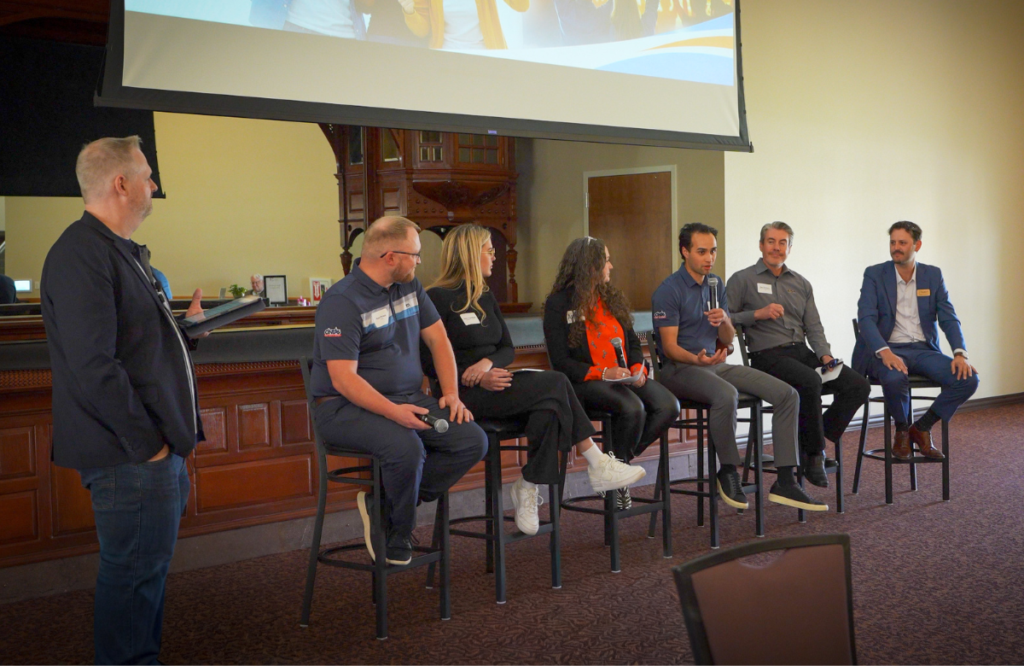
Dr. Jeremy Graves and a cross-generational panel explore how to build trust, communication, and momentum across a multi-generational workforce.
Our April 9th Flint & Steel event looked a bit different from our past gatherings. It marked our first event under our new name, Fusion, and introduced an expanded format that included both a keynote speaker and a panel.
After spending time connecting, attendees gathered for our keynote from nationally recognized leadership expert, Dr. Jeremy Graves, who shared insights on one of the most pressing challenges organizations face today: how to lead effectively across a multi-generational workforce.
The conversation continued with a panel featuring Gen Z and Millennial emerging professionals alongside experienced Gen X leaders, offering real-world perspectives on building trust and momentum across generations.
Together, the keynote and panel set the stage for a thoughtful and engaging discussion on the future of work. From that conversation, several key themes emerged:
1. Leading Across Generations Requires Intention
Dr. Jeremy Graves opened the session with a practical framework for navigating generational complexity: recognize, respect, and leverage.
Rather than forcing consistency, he emphasized the importance of understanding individual experiences and perspectives first. From there, respect can grow, and differences can be used to strengthen collaboration and performance. Each generation brings something valuable, and strong leadership is about creating an environment where those strengths can work together.
2. Shared Values Matter More Than Differences
While generational differences often get the most attention, a consistent theme throughout the conversation was something much simpler.
Across every generation, people are looking for meaningful work, strong leadership, and a sense of belonging.
Graves and the panel brought this to life through real experiences, reinforcing that age or career stage does not change the desire to contribute and feel valued. When leaders take time to understand what motivates individuals, rather than relying on assumptions, teams become more connected and engaged.
3. Trust Is Built Through Consistency and Communication
Trust came up again and again as a defining factor in strong teams.
It is not built through one initiative or a single conversation, but through everyday actions. Clear communication, transparency, and follow-through all play a role in creating that foundation.
There was also a strong emphasis on curiosity. Leaders who take the time to ask questions, listen, and remain open to different perspectives create space for better relationships and stronger collaboration. Over time, that consistency helps break down assumptions and builds a culture where people feel comfortable showing up and contributing.
4. Different Strengths Create Better Teams
Generational diversity is not something to manage around. It is something to build with.
Throughout the discussion, it became clear that different generations bring complementary strengths. Younger professionals often bring adaptability, fresh thinking, and comfort with new technology. More experienced leaders bring perspective, resilience, and context.
The real impact happens when those strengths are shared. Mentorship becomes a two-way exchange, ideas move more freely, and teams become more equipped to navigate change together.
5. Leadership Today Is About Connection
Leadership continues to evolve, and connection is at the center of that shift.
Moving away from purely directive styles, today's leaders are finding success by focusing on understanding, empowerment, and growth. When people feel seen and supported, engagement follows.
There was also a clear emphasis on shared learning. The strongest teams are built by leaders who remain open, who continue learning from those around them, and who create environments where that exchange can happen naturally.
The future of work will not be defined by any single generation. It will be shaped by how well organizations bring those generations together.
What stood out most was not just the differences between generations, but how much stronger teams become when those differences are understood and used well. When leaders create space for trust, communication, and shared learning, teams move faster, adapt more easily, and stay aligned through change.
At Fusion, these conversations reinforce what we see every day. Organizations do not struggle because of generational diversity. They struggle when there is a lack of alignment, communication, and clarity in how teams work together.
The opportunity is not to eliminate differences, but to bring them together in a way that creates momentum. When that happens, change becomes something teams can move through with confidence, not something that slows them down.
Interested in future Flint & Steel events or curious about Fusion? Let's connect!
Ready to talk strategy?
Let's Connect